My Server Got Cryptojacked Through a Next.js Vulnerability
Last week I found a cryptominer running on my staging server. Here's what happened and how I fixed it.

Last week I found a cryptominer running on my staging server. Here's what happened and how I fixed it.
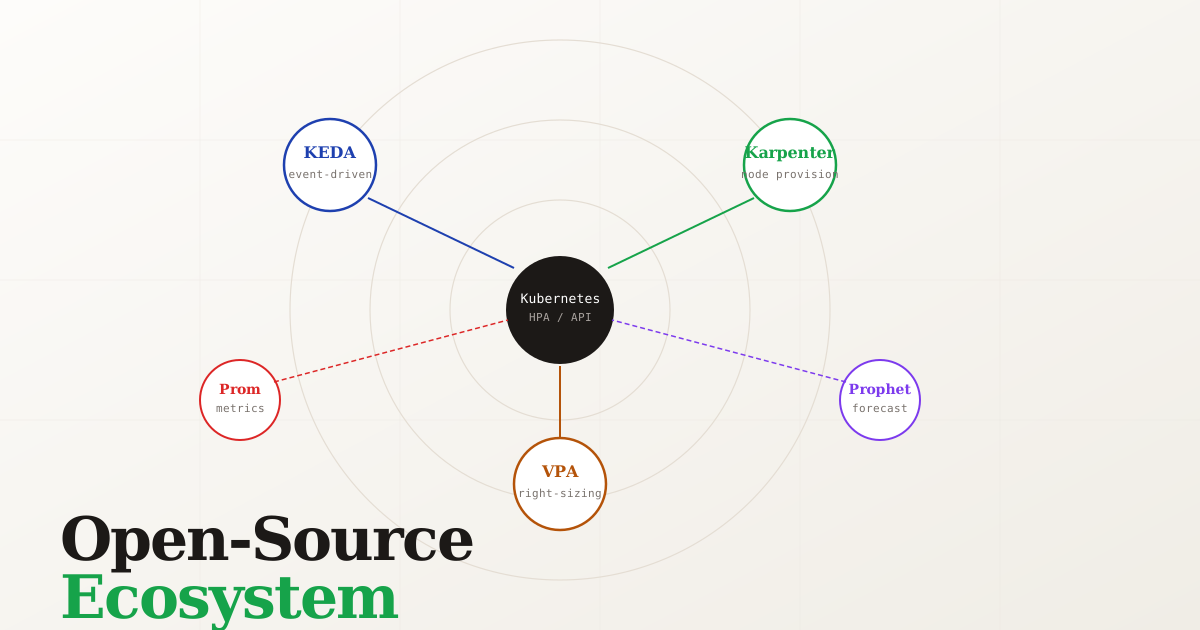
Part 1 and Part 2 covered the theory and one major commercial platform. Now the practical question: what does the open-source Kubernetes ecosystem actually give you for intelligent autoscaling in 2024, and where is the ML layer starting to plug in? The answer is more composable — and more interesting — than it was two years ago.
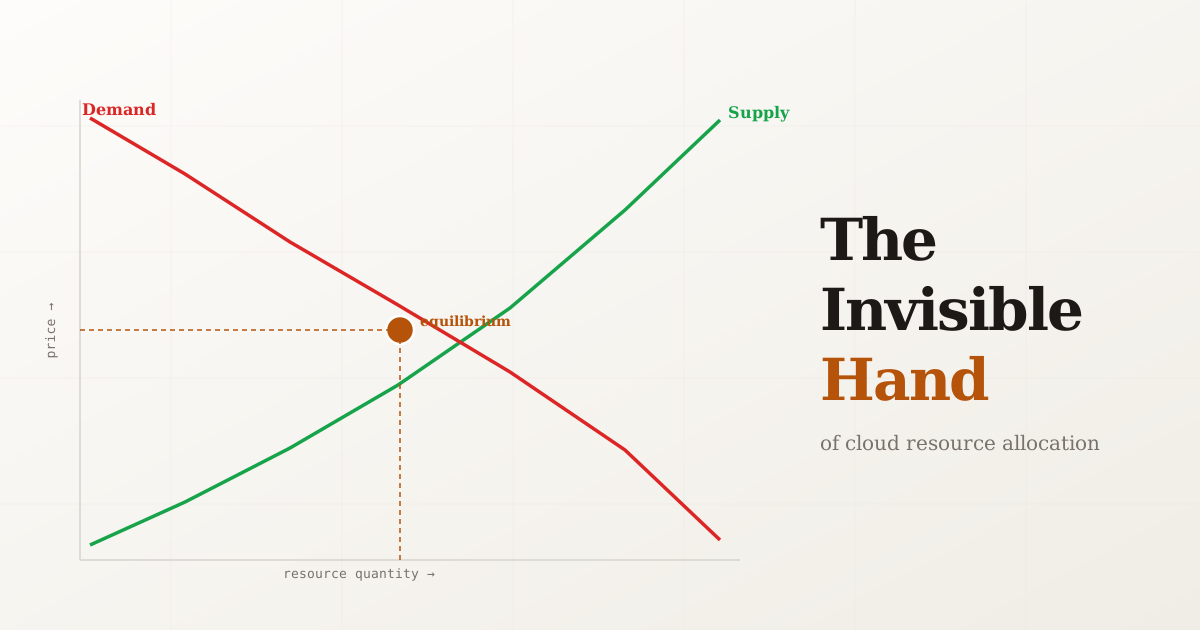
I spent seven years at Turbonomic — back when it was still called VMTurbo, through the rebranding, through the IBM acquisition in 2021, and a few years past that. So writing about autoscaling without touching what I actually worked on every day would feel dishonest. This is the insider perspective: what Turbonomic actually does, why the economic model it's built on is genuinely clever, and where the edges of that model sit.
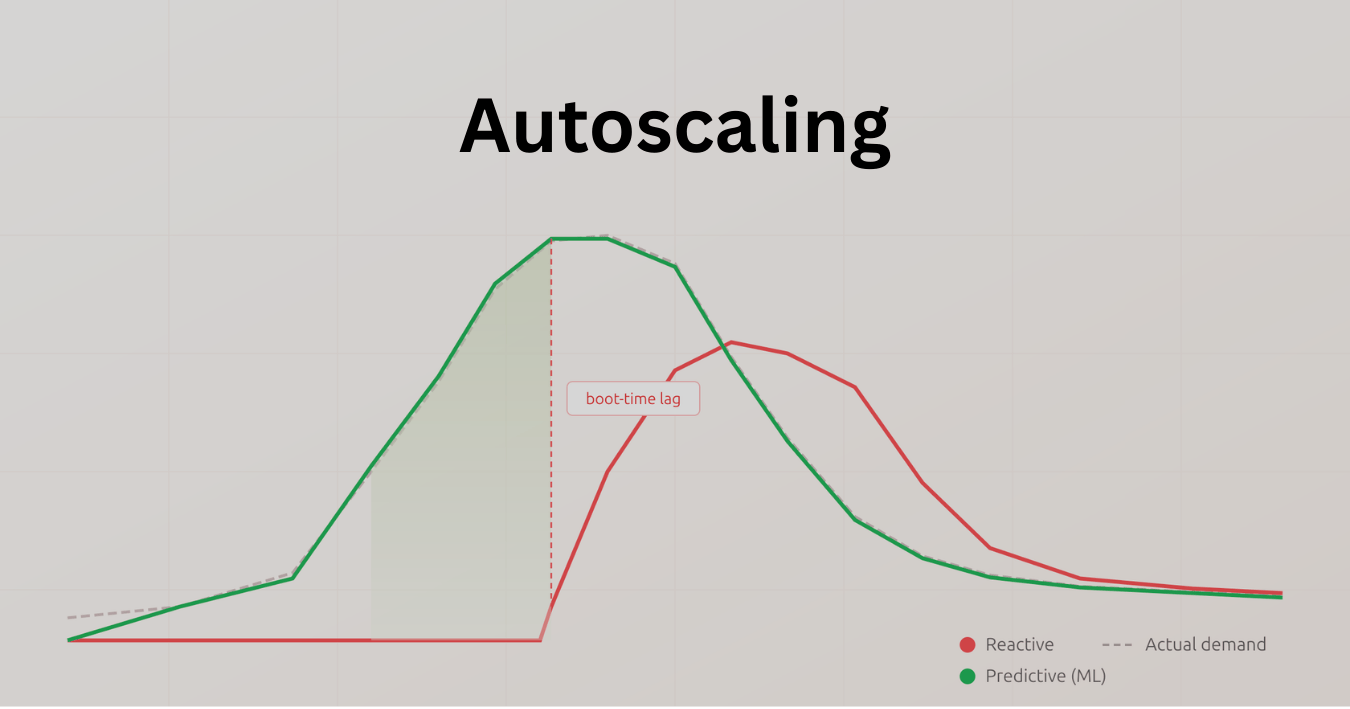
Every major cloud has autoscaling. It's table stakes. But "autoscaling" usually means: observe a metric, cross a threshold, add capacity. That works — until your traffic spikes faster than your VMs boot, or you've padded your fleet so aggressively that you're paying for air. ML can do better. Here's how.